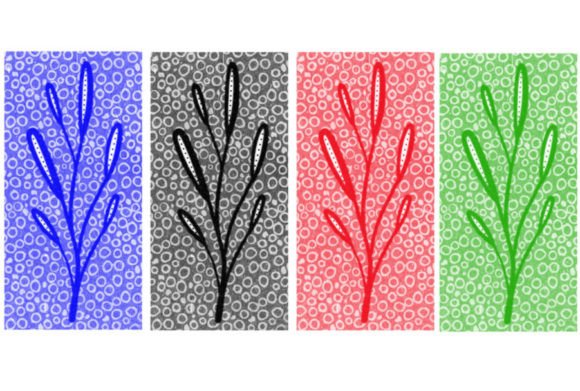
Brush - 30: A Practical Guide to Mastering This Single-Stroke Digital Asset
In the expansive world of digital art and graphic design, it is easy to get lost in the sheer volume of available tools. Marketplaces are flooded with massive bundles containing hundreds of textures, stamps, and effects. However, experienced creators often find that quality trumps quantity every time. This is where Brush - 30 stands out. It is not a cluttered pack of redundant options; it is a focused, single-brush tool designed for specific artistic needs. Understanding how to leverage this singular asset can significantly elevate your workflow, whether you are a seasoned illustrator, a marketing professional creating social media graphics, or a hobbyist exploring digital painting for the first time.
Understanding the Value of a Single-Brush Download
When you purchase or download Brush - 30, you are receiving a ZIP file containing either a .brushes file or a .swatches file, depending on your software preference. Inside, you will find exactly one brush. For newcomers, this might seem underwhelming compared to mega-packs. Yet, this simplicity is its greatest strength. A single, well-engineered brush allows you to master its nuances without the distraction of switching between dozens of mediocre alternatives. It encourages you to learn pressure sensitivity, angle dynamics, and flow control deeply, rather than relying on a different preset for every minor variation.
The term "Brush - 30" likely refers to a specific texture, shape, or effect profile within a larger series or a standalone creation by a digital artist. Its utility depends entirely on how well it integrates into your existing toolkit. Before installing it, consider the specific gap it fills in your current library. Is it a textured ink liner? A soft blending tool? A unique stamp for background elements? Identifying its primary function helps you avoid the common mistake of hoarding digital assets without ever truly learning how to use them.
Common Mistakes When Integrating New Brushes
Many users make the error of importing new brushes without adjusting their default settings. Digital brushes are rarely "plug-and-play" perfect for every canvas size or resolution. A frequent oversight is using Brush - 30 at its default scale on a high-resolution document, resulting in pixelated edges or unintended transparency. Conversely, using it on a low-resolution web graphic might make the texture appear too dense or muddy. Always test the brush on a separate layer at your intended output size before committing to your final artwork.
Another critical misunderstanding involves file compatibility. The inclusion of both .brushes and .swatches formats in the ZIP file indicates versatility, but it also requires attention. If you are using Adobe Photoshop, you will likely import the .brushes file. If you are working in Procreate or Clip Studio Paint, the process differs. Attempting to force a incompatible file type into your software can lead to corruption or failed imports. Always verify which format your specific application supports. For instance, .swatches are typically color libraries, not stroke tools, so ensure you are importing the correct file type for the desired effect.
Overlooking Pressure and Flow Dynamics
A static brush stroke rarely looks natural. One of the most significant errors artists make is ignoring the dynamic settings of Brush - 30. If the brush feels stiff or unresponsive, it is often because the pressure sensitivity is not calibrated to your tablet or stylus. Spend ten minutes adjusting the minimum diameter, opacity jitter, and flow controls. These small tweaks transform a generic stroke into a expressive tool that responds to your hand’s movement. Neglecting this step results in flat, lifeless artwork that fails to engage viewers, regardless of your compositional skills.
Practical Advice for Optimal Usage
To get the most out of Brush - 30, adopt a methodical approach to testing and integration. Start by creating a "sandbox" document. This is a throwaway file where you experiment with the brush’s capabilities without the pressure of producing a final piece. Try varying your stylus pressure, speed, and angle. Observe how the texture builds up with multiple passes. Does it blend smoothly, or does it create harsh overlaps? Understanding these behaviors prevents frustration during actual projects.
- Check Resolution Compatibility: Ensure the brush tip shape is sharp enough for your canvas DPI. If it appears blurry, check if the brush settings allow for scaling or if you need a higher-resolution source.
- Customize Settings: Do not stick to defaults. Adjust spacing, scatter, and angle jitter to suit your specific style. A brush used for rough sketching should have different settings than one used for clean line art.
- Organize Your Library: Since this is a single brush, create a dedicated folder or group in your brush panel. Label it clearly. This prevents the "digital clutter" problem where useful tools get lost among hundreds of unused presets.
- Verify File Integrity: After extracting the ZIP file, ensure the
.brushesor.swatchesfile is not corrupted. If the import fails, re-download the archive from the source to rule out incomplete downloads.
Evaluating Quality and Suitability
Before committing time to master Brush - 30, evaluate its technical quality. Look at the edge definition. Are there stray pixels or awkward artifacts? High-quality brushes have clean, intentional edges. Also, consider the versatility. Can this single brush handle both light sketches and bold statements by simply adjusting opacity and size? If it only works in one narrow context, its value diminishes. A versatile tool adapts to various stages of the creative process, from initial concepting to final detailing.
For professionals and entrepreneurs, efficiency is key. If Brush - 30 speeds up your workflow by reducing the need for manual texturing or complex layer masking, it is a valuable asset. For educators and bloggers, it can provide a consistent visual style across tutorials and featured images. Consistency builds brand recognition. Therefore, treat this brush not just as a tool, but as part of your visual identity. Use it repeatedly to develop a signature look that audiences can recognize.
Making the Right Decision
Ultimately, the value of Brush - 30 lies in how well it serves your specific creative goals. It is not about having the most brushes; it is about having the right ones. By avoiding common pitfalls like ignoring file formats, neglecting dynamic settings, and failing to test resolution compatibility, you ensure that this tool enhances rather than hinders your work. Take the time to understand its mechanics, customize it to your hand, and integrate it thoughtfully into your library. In doing so, you transform a simple digital download into a powerful extension of your artistic voice.
Remember, digital tools are merely extensions of your intent. The best brush in the world cannot compensate for a lack of practice, but the right brush, used correctly, can unlock new levels of expression. Approach Brush - 30 with curiosity and precision, and it will reward you with reliable, high-quality results across all your creative endeavors.